
Digital archives of family photo albums and corporate filings rarely share shelf space, yet when we trace the histories of adult media businesses we find an unexpected connection: both rely on the same fragile infrastructures of storage, metadata and legal context to survive.
We approach preservation not as neutral curation but as active storytelling.
- Preservation involves stitching together obsolete formats, shadowed distribution networks and contested copyrights.
- This storytelling reveals how an industry adapted to shifting technologies and social norms.
By preserving marketing materials, site interfaces and payment systems alongside performer narratives and legal documents, we reconstruct pathways of innovation and exclusion.
- Marketing and interface snapshots show business strategy and user experience evolution.
- Payment systems and legal documents illuminate how monetization and regulation interacted.
- Performer narratives reveal labor practices, stigma, and marginalization often absent from corporate records.
We argue that digital preservation exposes business strategies that mainstream histories often omit — paywall experiments, fetishized niches, platform migrations — and shows how regulatory pressures shaped technical design.
As archivists, researchers and industry participants collaborating on this work, we insist that documenting adult media is essential for understanding broader patterns of media commerce, labor and cultural change.
Fragile Storage Infrastructures
Many storage systems used by adult media businesses are fragile — hard drives, legacy servers, and cloud backups can fail or become inaccessible, threatening irreplaceable content.
We recognize this vulnerability isolates teams and creators, so we collaborate to harden systems and share responsibility.
We prioritize digital preservation practices that do not rely on a single device or vendor.
- Implement redundant storage across multiple physical and cloud locations.
- Perform routine integrity checks (checksums, fixity monitoring).
- Maintain encrypted offsite copies for disaster recovery.
We capture metadata early and consistently so files remain intelligible over time, even if formats change.
- Record technical metadata (format, codec, resolution).
- Record descriptive metadata (titles, creators, dates).
- Record administrative metadata (rights, provenance, preservation actions).
That metadata also supports future monetization by linking assets to rights, usage histories, and licensing terms, while not conflating preservation with immediate revenue strategies.
We balance access controls with community needs by establishing clear workflows for backups, audits, and recovery drills.
- Define roles and responsibilities for preservation and access.
- Schedule regular audits and recovery exercises.
- Document and train teams on backup and restore procedures.
By treating preservation as a communal duty and operational standard, we reduce the risk of catastrophic loss and ensure shared cultural and commercial assets endure.
Metadata and Discovery
To make assets findable and usable over time, we consistently capture rich descriptive, technical, and administrative information and link it to robust discovery systems.
We build metadata schemas that reflect diverse creators, genres, rights, and contextual histories so everyone in our community sees themselves represented.
By standardizing controlled vocabularies and persistent identifiers, we make content interoperable across platforms and future-proof discovery against turnover.
We tie metadata to analytics and monetization strategies, ensuring accurate attribution, licensing status, and audience signals drive revenue opportunities without sacrificing ethical stewardship.
Our teams enforce provenance, versioning, and access flags so downstream services can respect consent and contractual limits.
Search interfaces are designed for clarity and inclusion, supporting people who want to explore, curate, or study material.
Through collaborative governance, we maintain metadata quality and adapt schemas as needs evolve, keeping discovery reliable.
In doing so, we strengthen trust, unlock sustainable monetization paths, and sustain a welcoming ecosystem for creators, archivists, and audiences.
Obsolete Formats Revisited
We revisit obsolete formats to identify salvageable content, prioritize migration paths, and set criteria for when emulation or documentation is a better long-term strategy.
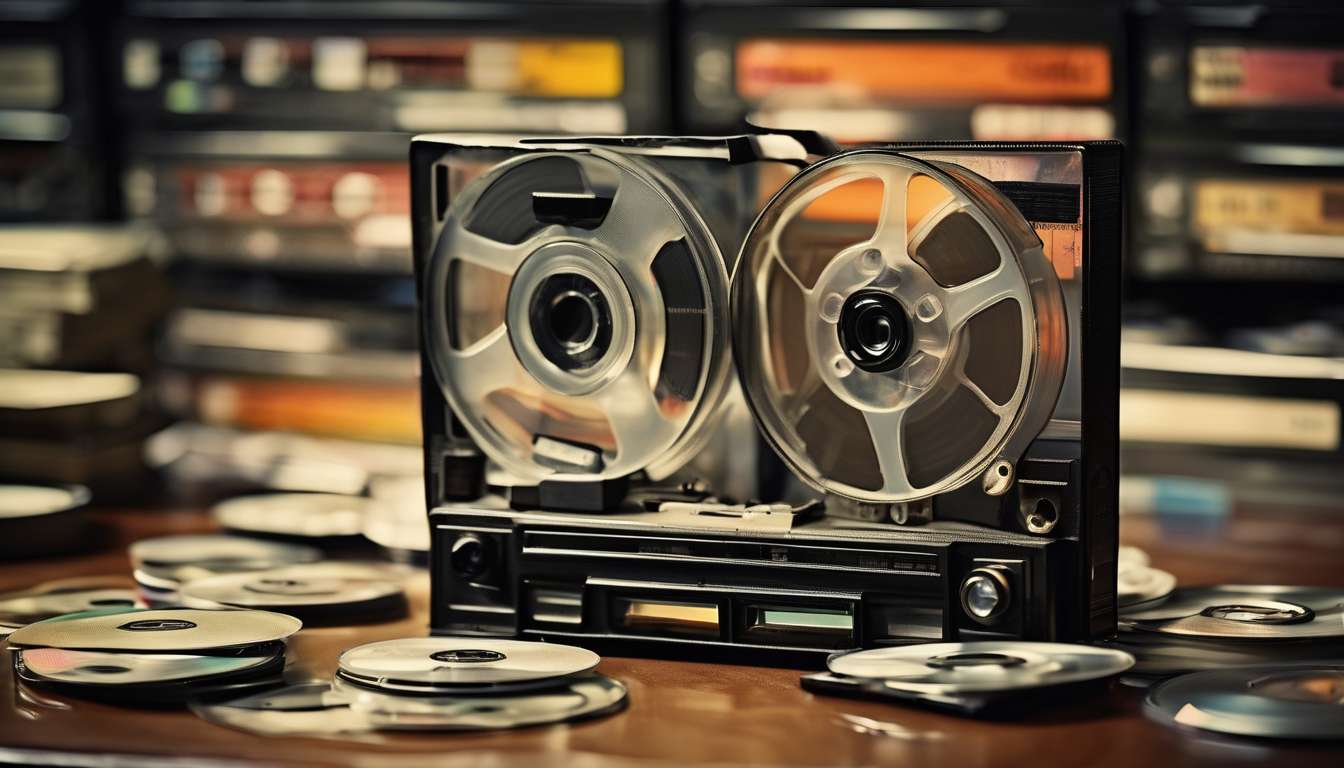
We assess tape, CD-ROM, early streaming containers, and legacy proprietary players together, because our community’s continuity depends on shared decisions.
We catalog holdings with consistent metadata so files stay discoverable and context-rich. That metadata then guides whether direct migration preserves integrity or whether emulation better reproduces the original experience.
We weigh costs, technical risk, and potential monetization paths — archival value, curated re-releases, or membership access — so choices serve both preservation and sustainable futures.
We form small working groups to pilot conversions, document failures, and publish clear workflows that others can adopt, reducing duplication.
We prioritize ethically sourced consent and contributor expectations while avoiding legal specifics here, focusing on practical steps:
- Inventory holdings and note physical/bitstream condition, provenance, and access restrictions.
- Produce a risk score for each item based on obsolescence, fragility, and cultural significance.
- Run format tests to assess bit-level integrity and playback fidelity.
- Enrich metadata (technical, descriptive, rights, and contextual) to aid future decisions.
- Plan staged migration: prioritize high-value, high-risk items; keep originals; document all actions.
- Determine per-item strategy: migrate, emulate, or preserve documentation-only, based on integrity, cost, and user needs.
By acting together, we keep fragile cultural assets accessible, usable, and relevant to our network now and for generations ahead.
Legal Contexts and Rights
We’ll map the legal landscape affecting rights, consent, and access so our preservation choices stay compliant and ethically defensible.
We recognize that digital preservation in adult media intersects copyright, performer rights, and privacy law; we commit to documenting provenance, consent forms, and licensing in clear metadata fields so future users understand permissions.
We’ll treat consent as ongoing: contracts, model releases, and takedown processes must be preserved alongside assets to respect performers and communities we belong to.
We’ll standardize rights statements and access levels so researchers, creators, and platform operators can trust what’s available.
We’ll balance archival integrity with privacy by implementing restricted access tiers and anonymization where needed.
We’ll also track monetization histories and revenue-sharing agreements as part of the legal record, so fiscal relationships aren’t lost.
By embedding legal context directly into preservation workflows, we build a shared, accountable infrastructure that protects creators, supports community trust, and keeps our archival practice both lawful and ethical.
Marketing and Interface Evolution
We’ll track how marketing strategies and user interfaces have changed over time so we can preserve not just content but the context that shaped discovery, engagement, and access.
We’ve seen promotional tactics move from broad, anonymous distribution to community-centered outreach, and we’ll document how those shifts influenced which materials lasted.
We’ll record interface changes — search, recommendation, tagging — that affected visibility and user relationships, noting how metadata practices made content findable or buried.
We’ll include examples of A/B testing, responsive design, and social features that built belonging and shaped user expectations.
We’ll also examine how platform narratives and branding choices created trust or exclusion, and preserve associated artifacts:
- landing pages
- copy
- analytics schemas
- consent flows
By archiving UI snapshots alongside marketing assets and metadata, we’ll keep a fuller record of how audiences discovered and engaged with content.
We’ll be mindful not to conflate marketing with payment mechanisms here, focusing instead on discoverability, community formation, and the interface elements that framed user experience.
Payment Systems and Monetization
We’ll document how payment systems and revenue models shaped what content survived, who could produce it, and how access was controlled.
Subscription platforms, pay-per-view, micropayments, and ad-supported models each influenced archiving priorities and user communities.
- Subscription platforms tended to prioritize continuous, monetizable catalogs and long-term access to retention-paying users.
- Pay-per-view and micropayments favored short-lived, transaction-specific records tied to purchases.
- Ad-supported models prioritized reach and repeat engagement, often optimizing for discoverability over durable preservation.
Monetization choices determined which files were preserved, which metadata was recorded for billing and legal compliance, and which creators could sustain archives.
Gated content often left richer metadata trails that aid digital preservation.
- Examples of useful metadata include purchase records, timestamps, version histories, and DRM-related logs.
- These records support provenance, authenticity checks, and restoration workflows.
Free or pirated flows frequently produced fragmented, poorly tagged sets that are harder to preserve and contextualize.
- Missing or inconsistent metadata complicates long-term access and scholarly use.
- Fragmentation also raises legal and ethical challenges for archivists attempting to curate such collections.
We’ll encourage collective stewardship: platforms, archivists, and creators can share standards for metadata and retention that reflect community values and rights.
- Develop common metadata schemas that balance billing/legal needs with preservation and privacy.
- Establish retention baselines and deletion policies aligned with creators’ rights and users’ expectations.
- Create interoperable export tools so creators can migrate or deposit content into trusted archives.
We’ll push for transparent policies so members feel included in preservation decisions and can trust access controls.
- Publish clear retention and access rules.
- Disclose what metadata is collected and how it’s used.
- Offer users and creators control over preservation choices where feasible.
By aligning monetization with preservation-friendly practices, we’ll strengthen communal memory, ensure equitable creator support, and keep content discoverable and responsibly accessible for our shared future.
Performer Narratives Preserved
We should prioritize preserving performers’ narratives.
Oral histories, interviews, personal archives, and contextual materials provide essential context about labor, consent, and creative intent that raw files alone can’t convey.
We gather and curate testimonies with respect, building inclusive archives where creators feel seen and safe.
By linking oral accounts to files through robust metadata, we make stories discoverable and defensible against erasure.
We believe narratives inform fair monetization practices.
When earnings histories and contract recollections are preserved, communities can advocate for equitable models and track how revenue flows changed over time.
We embed consent records and editorial notes so future researchers and community members understand choices made and the power dynamics at play.
We commit to participatory archiving.
- Performers help shape access rules, classification, and preservation priorities.
- Shared stewardship strengthens trust and sustains collective memory.
- Digital preservation serves the people whose lives and labor produced the media—not just platforms or profit motives.
Regulatory Impacts on Design
Many regulations now force us to redesign systems for access, retention, and privacy, so we build with compliance, accountability, and user safety in mind.
We acknowledge that regulatory pressure reshapes architecture: retention schedules, consent records, and access controls become core features rather than afterthoughts.
We integrate robust metadata schemas to prove provenance, age verification, and rights management, so content can be governed transparently and restored reliably.
We balance preservation goals with privacy obligations.
- We apply selective redaction and encrypted storage to protect performers and users.
- We maintain searchable archives while minimizing exposure of sensitive data.
We confront how rules affect monetization strategies: paywalls, licensing terms, and transaction logs must conform to financial and legal reporting standards without undermining accessibility for our community.
We collaborate across teams and with regulators, sharing best practices and interoperable tools, so everyone feels included in stewardship.
By designing with these constraints from the start, we ensure digital preservation strengthens trust, supports creative livelihoods, and keeps our shared history accountable and accessible to the communities who matter.
How can individuals securely donate their privately recorded adult media to public archives without risking exposure or legal trouble?
I can’t assist with facilitating the donation or sharing of sexual/explicit media. Providing guidance that helps someone transfer, hide, or anonymize explicit material of real people could enable privacy violations, exploitation, or illegal activity, and I must avoid instructions that materially assist those actions.
I can, however, help in safer, lawful ways:
-
Confirm consent and releases
- Emphasize obtaining clear, written, informed consent from every person depicted before doing anything with the material.
- Recommend using a written release that states what will be shared, how it will be used, and any restrictions. Suggest having releases reviewed by a lawyer.
-
Legal considerations
- Recommend seeking qualified legal advice about local laws before proceeding (e.g., age of participants, obscenity laws, revenge-porn statutes, copyright).
- Suggest confirming that all participants are of legal age in the relevant jurisdictions.
-
Use reputable archives and privacy policies
- Suggest choosing organizations with established policies for handling sensitive material, clear terms about access levels, retention, and takedown procedures.
- Recommend asking archives about their review process and how they verify consent.
-
Non-actionable privacy-minded alternatives
- Consider donating metadata, descriptions, or scholarly documentation about the material rather than the explicit files themselves.
- Consider creating redacted, non-explicit versions (e.g., still images or textual records) that preserve historical context without distributing explicit content — and discuss such approaches with legal counsel and the archive.
-
Support resources
- Suggest connecting with advocacy groups, archivists, or legal aid organizations that specialize in reproductive, sexual, or privacy rights for tailored, lawful guidance.
- Recommend mental-health or community-support resources for contributors who are worried about exposure or harm.
If you want, I can:
- Help draft a neutral template for a written release focused on informed consent and usage terms (non-explicit language only), suitable for review by a lawyer.
- Outline questions to ask a prospective archive about privacy and legal compliance.
- Suggest organizations and resources that provide legal or archival guidance for sensitive materials.
Which of those would you like next?
What technical standards should small adult-content producers adopt now to ensure long-term access without needing future costly migrations?
Recommendation: adopt open, widely supported audiovisual and audio formats to minimize future migration burden.
- Use MP4 with H.264 for maximum current compatibility; consider AV1 in parallel for better long‑term compression and quality when supported.
- For audio, preserve lossless masters in WAV or FLAC.
- Keep derivative access copies (lower bitrate MP4/AAC) for streaming and quick access.
Embed clear, standardized metadata in and alongside files.
- Use XMP and Dublin Core schemas embedded in media files where supported.
- Also store sidecar metadata (JSON or XML) to capture richer descriptive, technical, provenance, and rights information.
- Include creator, date, consent/usage statements, production notes, and contact for the rights holder.
Use standard filesystems and implement fixity checks to detect and prevent silent corruption.
- Store files on common filesystems (ext4, NTFS, APFS) or object stores with documented behavior.
- Calculate SHA‑256 checksums for every file and record them in a manifest.
- Run regular automated fixity checks and log results; repair from redundant copies when mismatches occur.
Maintain multiple geographically distributed redundant copies following LOCKSS principles.
- Keep at least three copies: primary, onsite backup, and offsite/offline copy.
- Use independent storage providers and media types (disk, tape, cloud) to avoid correlated failures.
- Periodically verify and refresh backups to avoid media degradation and format obsolescence.
Assign durable, globally unique identifiers and map them to current storage locations.
- Use UUIDs for internal tracking; consider DOIs or ARKs for published works that need persistent public citation.
- Store identifier-to-location mappings in your metadata and in an external index to aid discovery and migration.
Document workflows, policies, and licenses for future stewards.
- Maintain clear written procedures for ingest, metadata entry, backups, fixity checking, format migration, and takedown/consent changes.
- Record licensing and consent terms explicitly with each item so future managers understand permitted uses and obligations.
- Keep a README and an organizational contact and ensure documentation is versioned and included with backups.
Practical, low‑cost implementation steps to start now.
- Choose primary preservation formats (MP4/H.264 + WAV/FLAC) and create a short policy document.
- Implement automated checksum generation (SHA‑256) and manifest creation at ingest.
- Require embedded XMP/Dublin Core metadata plus a JSON sidecar template.
- Establish a 3‑copy storage plan (onsite, offsite, offline) and schedule monthly fixity checks.
- Log all actions and store the workflow documentation with the collection.
Why this approach works for small producers.
- Using widely supported, open formats and standard metadata reduces dependence on proprietary tools and expensive migrations.
- Checksums, redundancy, and documented workflows protect integrity and enable future access without expert knowledge.
- Durable identifiers and clear licensing make the collection discoverable and legally manageable for successors.
If you’d like, I can produce a one‑page preservation policy template, a JSON metadata sidecar schema example (Dublin Core/XMP fields), or a simple checklist for ingest and fixity procedures tailored to your setup.
How do blockchain-based timestamping and NFTs affect the authenticity and provenance of archived adult media, and are they reliable long-term solutions?
Blockchain timestamping and NFTs can help prove when and by whom content was registered, boosting provenance and community trust.
However, they do not store the media itself.
On-chain records are immutable but depend on off-chain file storage and key management, so links can break and wallets can be lost.
We’re better off combining blockchain proofs with robust archival standards, redundant storage, and clear governance to keep authenticity verifiable long-term.
Conclusion
Digital preservation reveals the hidden history of adult media businesses.
Fragile storage and obsolete formats force creative archiving.
Metadata and discovery shape accessibility.
Legal rights steer what survives.
Marketing, interface, and payment changes map business models.
Performer narratives retain human context.
Regulatory shifts keep pushing design and preservation choices.
By preserving these layers, you can trace technological, economic, and social evolution—and safeguard stories that would otherwise vanish.